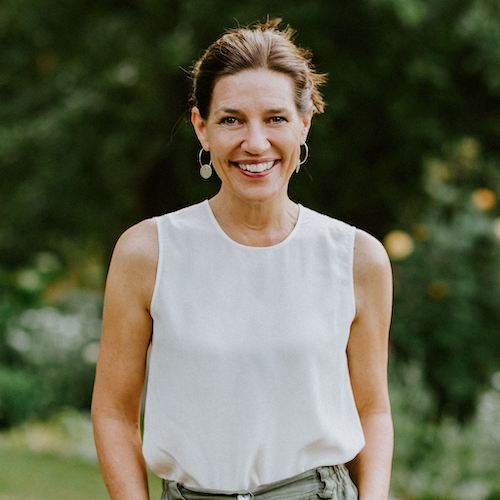
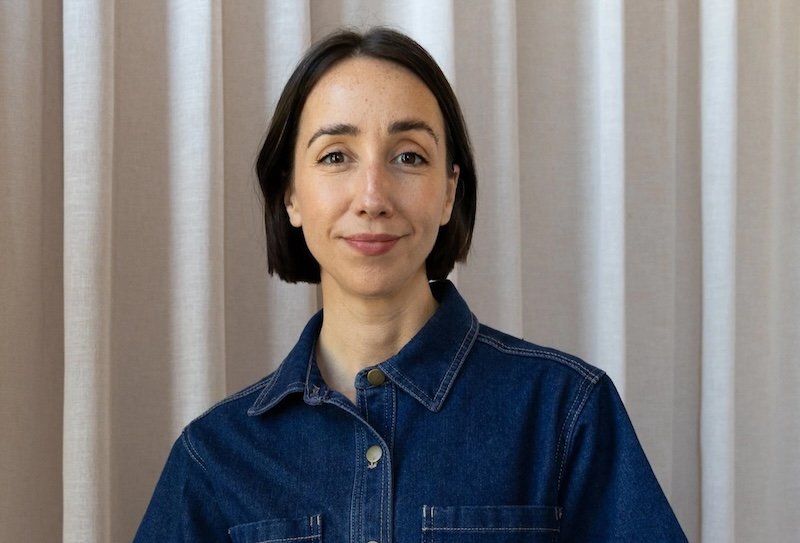
Just over a year ago, Meg Callander and I met for a few business coaching sessions. As soon as we started chatting, it was immediately evident how warm, open and intelligent Meg is. I suspect this is why she’s so great at what she does. At the time, I wasn’t overly familiar with what a sexologist actually does, but talking to her made me realise how important Meg’s work is. She has a way of putting people at ease when they’re talking about one of the most sensitive, private and profound aspects of their lives.
Meg is a Melbourne-based clinical sexologist and sexuality educator who helps people explore, understand and feel more at ease with their sexual wellbeing at every stage of life. Her work is grounded in compassion, curiosity and evidence-based practice, and she creates a space where people can gently question and rewrite the narratives that have kept them disconnected from confidence, connection and a sense of ease in their bodies. Meg’s approach blends somatic awareness, counselling and sexual health education, and is informed by her background in public health and embodied somatic training.
As with all the conversations I share here, this one is approached with care, curiosity and respect.
In our recent interview, we talked about everything from creativity and connection to the myths that shape how we think about sex, and what it really takes to help people feel safe and empowered in their bodies. What follows is a conversation I’m grateful to share, not just for anyone curious about sex therapy, but for anyone interested in what it means to show up for ourselves and others more fully.
To start, can you tell us what a sexologist actually does, and what drew you to this kind of work?
At its core, my work as a clinical sexologist is about creating safety and trust so people can talk honestly about their sexual health and experiences. I work collaboratively with individuals and couples to understand what’s happening for them physically, emotionally and relationally, and then we develop practical, evidence-based solutions together.
I originally trained in public health and health promotion, and what I kept noticing was how much silence and shame surrounded sexual and reproductive health issues. People were struggling deeply, often in isolation, because sex still felt like something you weren’t allowed to talk about. I’ve always been fascinated by “taboo” aspects of the human condition and eventually became curious about people’s sexual lives and relationships. Sexology felt like a way to combine that interest with meaningful, creative and deeply relational work.
What kind of clients do you usually work with, and what do you most enjoy about supporting them?
I work with a wide range of clients, but many are people experiencing painful sex, low desire, or anxiety around sex. A lot of my work focuses on pelvic conditions like vaginismus and dyspareunia, and arousal issues like anorgasmia, erectile difficulty and early ejaculation, but I really deal with anything challenging related to sexuality. Often I’m supporting folks to build confidence with dating, intimacy, and assertive communication, and to navigate shifting identities and new life stages like menopause and parenting. When clients arrive to see me, they are often feeling broken, ashamed or disconnected from their bodies.
What I most enjoy is watching people soften. As they begin to feel safe and understood, something shifts, not just sexually, but in how they relate to themselves. Confidence grows, self-trust grows, and people often start advocating for themselves more clearly in all areas of their lives. Being able to witness that kind of transformation is incredibly rewarding.
Your work touches on such an essential part of being human. What have you learned about people through doing what you do?
I’ve learned that most people are far more similar than they think. So many of the struggles clients bring in are rooted in shame, misinformation and unrealistic expectations about sex. When those layers are gently peeled back, what’s underneath is usually a very human desire for connection, safety and acceptance.
I’ve also learned how creative people are by nature. Sex, when it’s healthy, is less about performance and more about curiosity, play and responsiveness. When people are given permission to explore sex in that way, it often becomes a source of healing and relaxation, rather than stress.
Working so closely with others’ personal stories must require a lot of presence and care. How do you stay grounded and energised yourself?
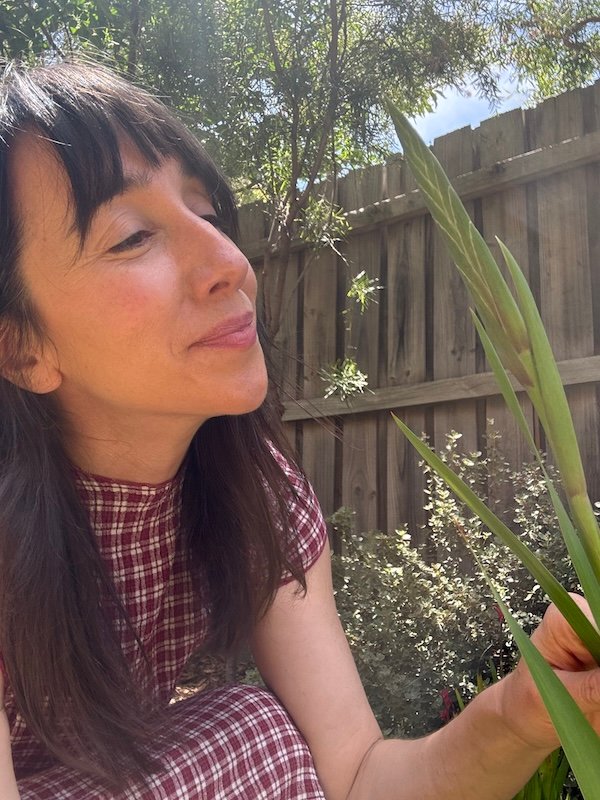
Staying grounded is essential in this work. I’m very mindful about creating boundaries between work and rest, and I prioritise practices that bring me back into my body. Movement, getting eight hours sleep, prioritising deep social connections, and tending to my garden all help me regulate my nervous system.
I’m also fortunate to feel genuinely engaged by my work. As someone with ADHD, sexology suits me because it completely captivates me and is deeply relational and creative. I don’t feel drained by the depth – I feel energised and fulfilled by the authenticity of the conversations I get to have.
Where do you go for inspiration in your work or more broadly in life?
I find inspiration in spaces where people are embodied and unselfconscious. Music festivals have been powerful for me because they create safe spaces for people to move, connect and express themselves freely. There’s something both primal and playful about being out in the elements, dancing with hundreds of people. It makes you feel alive.
Professionally, I also find inspiration through learning and connection. Attending conferences like the recent World Sexual Health Conference in Brisbane and reconnecting with like-minded colleagues reminds me that this work is evolving, colourful and collective.
What’s one piece of advice you’d offer to someone wanting to go into their own business or follow a less conventional career path?
Build a strong support network early. While it felt a bit scary investing money in support services in these early days, having people you can learn from, ask questions of and be honest with makes an enormous difference. Particularly for women starting businesses or moving into unconventional careers, community is everything.
I’d also say this: trust whatever it is that interests you. I delayed studying sexology for years because I was told it wasn’t practical or viable. Looking back, listening to that external noise cost me time. If something keeps calling you, there’s usually a reason.
Outside of work, what brings you joy?
I love gardening, I find it grounding, creative and slow in a way that balances my work beautifully. I also love reading, and recently I’ve been drawn to books that explore alternative life paths. One that’s stayed with me is Inconceivable, about single motherhood by choice.
As I mentioned earlier, music and movement are also big sources of joy for me. Dancing, especially in spaces where people feel free to be themselves, helps me reconnect with my physical and emotional body in a way that feels playful rather than effortful.
And finally, what’s one change you hope to see in the world or one message you’d love people to take from your work?
I hope for a world where sex is understood as a personal, creative and embodied experience, rather than something shaped by performance or rigid expectations. Sex is about connection, with ourselves first, and then with others, and that connection thrives in safety, honesty and curiosity.
If there’s one message I’d love people to take from my work, it’s that you’re not broken. Our social norms and expectations around sex are the problem.
Your body makes sense. With the right information, support and compassion, change is possible.